Crm software for small business: 7 Best CRM Software for Small Business in 2024: Ultimate Guide

Running a small business is no small feat—juggling customers, sales, and follow-ups can quickly become overwhelming. That’s where CRM software for small business comes in, offering smart, scalable solutions to streamline your operations and boost growth. Let’s dive into the best tools and strategies to help you choose the perfect fit.
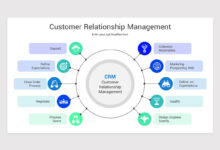
Why CRM Software for Small Business Is a Game-Changer

Customer Relationship Management (CRM) software isn’t just for big corporations. For small businesses, it’s a powerful tool that centralizes customer data, automates tasks, and enhances sales and marketing efforts. With the right CRM, even a team of two can operate like a well-oiled machine.
Improved Customer Relationships
At its core, a CRM helps you understand your customers better. By tracking every interaction—emails, calls, purchases, support tickets—you gain insights into their preferences and behavior. This allows for personalized communication, which builds trust and loyalty.
- Tracks customer history across all touchpoints
- Enables personalized follow-ups and offers
- Reduces response time with automated alerts
According to Salesforce, companies using CRM report a 36% increase in customer satisfaction. For small businesses, this can mean the difference between repeat customers and one-time buyers.
Streamlined Sales Processes
CRM software for small business automates repetitive tasks like data entry, lead assignment, and follow-up reminders. This frees up time for your team to focus on closing deals rather than administrative work.
- Automates lead capture from websites and forms
- Provides visual sales pipelines to track deal progress
- Sends automatic follow-up emails based on triggers
“A CRM turns chaos into clarity. Suddenly, you know who to call, when, and why.” — Small business owner, retail sector
Enhanced Team Collaboration
When everyone on your team has access to the same customer data, collaboration becomes seamless. Whether you’re in sales, marketing, or support, a shared CRM ensures consistency and reduces miscommunication.
- Centralizes notes, tasks, and files in one place
- Allows internal commenting and task delegation
- Supports remote teams with cloud-based access
Tools like Zoho CRM offer real-time collaboration features that keep distributed teams aligned, even across time zones.
Top 7 CRM Software for Small Business in 2024
Choosing the right CRM software for small business can feel overwhelming with so many options. To simplify your decision, we’ve evaluated the top seven platforms based on pricing, ease of use, features, and scalability.
crm software for small business – Crm software for small business menjadi aspek penting yang dibahas di sini.
1. HubSpot CRM
HubSpot CRM is a favorite among small businesses for its intuitive interface and robust free plan. It’s perfect for startups and growing teams that want powerful features without the steep learning curve.
- Free forever plan with contact management, email tracking, and deal pipelines
- Seamless integration with HubSpot’s marketing, sales, and service hubs
- Excellent for inbound marketing strategies
One standout feature is the Meeting Links tool, which allows prospects to book calls directly from emails. This reduces back-and-forth and speeds up the sales cycle. For more details, visit HubSpot’s official site.
2. Zoho CRM
Zoho CRM offers exceptional value with a wide range of automation tools and AI-powered insights. It’s highly customizable and scales well as your business grows.
- AI assistant (Zia) provides sales predictions and activity recommendations
- Workflow automation for lead assignment and follow-ups
- Strong integration with other Zoho apps like Books and Campaigns
Zoho’s pricing starts at just $14/user/month, making it one of the most affordable full-featured CRMs. It’s especially popular among service-based businesses and consultants.
3. Salesforce Essentials
Salesforce, the industry leader, offers a simplified version called Essentials tailored for small businesses. It brings enterprise-level power to smaller teams.
- Customizable dashboards and reports
- Mobile app with full functionality
- Automated data capture from email and calendar
While more expensive than others, starting at $25/user/month, Salesforce Essentials is ideal for businesses planning rapid growth. Its ecosystem of apps (AppExchange) allows for endless customization.
4. Freshsales (by Freshworks)
Freshsales stands out with its built-in phone and email capabilities, making it a complete communication hub. It’s designed for sales teams that want everything in one place.
- Click-to-call and voice analytics included
- Visual deal pipeline with drag-and-drop functionality
- AI-based lead scoring to prioritize hot prospects
The platform’s clean design and intuitive navigation make onboarding quick. Pricing starts at $15/user/month, and a free plan is available with limited features.
crm software for small business – Crm software for small business menjadi aspek penting yang dibahas di sini.
5. Insightly
Insightly is perfect for small businesses that manage projects alongside customer relationships. It combines CRM with project management tools, making it ideal for consultants, contractors, and agencies.
- Project tracking with timelines and milestones
- Relationship linking to map customer networks
- Workflow automation for task assignments
Its strength lies in connecting customer data with project deliverables. For example, a marketing agency can link a client’s campaign goals directly to tasks and deadlines. Learn more at Insightly’s website.
6. Pipedrive
Pipedrive is built for sales-focused teams who want a visual, pipeline-driven approach. It’s one of the most intuitive CRMs for managing deals from lead to close.
- Drag-and-drop sales pipeline with customizable stages
- Activity reminders and recurring tasks
- Strong integration with Gmail, Outlook, and Zoom
Many users praise Pipedrive for its simplicity and focus on sales productivity. It’s especially effective for B2B companies with longer sales cycles. Pricing starts at $14.90/user/month.
7. Agile CRM
Agile CRM offers an all-in-one solution with marketing, sales, and service features. It’s a great choice for businesses that want maximum functionality at a low cost.
- Free plan with up to 10 users and basic automation
- Marketing automation with email campaigns and landing pages
- Web tracking to see visitor behavior on your site
While the interface can feel cluttered compared to others, Agile CRM delivers exceptional value for startups on a tight budget. The paid plans start at $14.99/user/month.
Key Features to Look for in CRM Software for Small Business
Not all CRM systems are created equal. When evaluating options, focus on features that align with your business goals and workflows. Here are the most critical ones to consider.
Contact and Lead Management
The foundation of any CRM is its ability to store and organize customer information. Look for a system that automatically captures leads from your website, social media, and email, then enriches them with details like job title, company, and location.
crm software for small business – Crm software for small business menjadi aspek penting yang dibahas di sini.
- Automatic lead capture via web forms and integrations
- Duplicate detection to keep your database clean
- Custom fields to track business-specific data
A clean, well-organized database ensures your team spends less time searching and more time selling.
Sales Pipeline and Deal Tracking
A visual sales pipeline helps you understand where each deal stands and identify bottlenecks. The best CRM software for small business allows you to customize pipeline stages (e.g., Prospecting, Demo, Proposal, Closed-Won) and move deals with drag-and-drop ease.
- Real-time visibility into deal progress
- Forecasting tools to predict revenue
- Automated notifications for stalled deals
According to Nucleus Research, businesses using CRM see an average return of $8.71 for every dollar spent—largely due to improved sales efficiency.
Automation and Workflow Tools
Automation is a game-changer for small teams with limited resources. Look for CRM software that can automate repetitive tasks like sending follow-up emails, assigning leads, or updating records.
- Rule-based workflows (e.g., send email when lead reaches stage X)
- Task automation based on triggers or time delays
- Integration with tools like Zapier for extended automation
“Automation doesn’t replace people—it empowers them to do higher-value work.”
How to Choose the Right CRM Software for Small Business
Selecting the right CRM isn’t just about features—it’s about fit. A tool that works for a tech startup might not suit a local retail store. Follow these steps to make a smart decision.
Assess Your Business Needs
Start by identifying your pain points. Are you losing leads? Struggling with follow-ups? Need better reporting? List your top 3-5 challenges, then match them to CRM capabilities.
- Are you B2B or B2C? Sales cycles differ significantly.
- Do you need marketing automation, or just sales tracking?
- How many users will need access?
For example, a real estate agency might prioritize appointment scheduling and lead scoring, while an e-commerce brand may focus on customer segmentation and email integration.
Consider Ease of Use and Onboarding
No matter how powerful a CRM is, it’s useless if your team won’t use it. Prioritize platforms with intuitive interfaces, mobile access, and good onboarding support.
crm software for small business – Crm software for small business menjadi aspek penting yang dibahas di sini.
- Look for free trials or demos to test usability
- Check for video tutorials and knowledge bases
- See if the vendor offers setup assistance
HubSpot and Pipedrive are known for their user-friendly designs, while Salesforce may require more training but offers deeper functionality.
Evaluate Integration Capabilities
Your CRM should work seamlessly with the tools you already use—email, calendar, accounting software, and marketing platforms. Poor integration leads to data silos and manual work.
- Must-have integrations: Gmail, Outlook, Slack, QuickBooks, Mailchimp
- Check native integrations vs. third-party connectors (like Zapier)
- Ensure two-way sync to avoid duplicate entries
For instance, if you use Gmail for sales outreach, a CRM with native Gmail integration (like Zoho or HubSpot) will save hours every week.
Common CRM Implementation Mistakes to Avoid
Even the best CRM software for small business can fail if implemented poorly. Avoid these common pitfalls to ensure a smooth rollout.
Skipping Data Cleanup
Migrating messy, outdated data into a new CRM will only create more problems. Before importing, take time to remove duplicates, update contact info, and standardize formats.
- Export your current data (e.g., from spreadsheets or old systems)
- Remove inactive or invalid contacts
- Standardize naming conventions (e.g., “Mr.”, “Ms.”, titles)
A clean database ensures accurate reporting and better automation.
Over-Customizing Too Early
While customization is powerful, overdoing it early can complicate training and reduce adoption. Start with default settings, let your team get comfortable, then tweak as needed.
- Use standard pipelines and fields initially
- Gradually add custom workflows based on feedback
- Avoid creating too many user roles or permissions at first
Many small businesses fall into the trap of trying to make the CRM perfect on day one—focus on functionality first, perfection later.
crm software for small business – Crm software for small business menjadi aspek penting yang dibahas di sini.
Ignoring User Training and Adoption
A CRM is only as good as the people using it. If your team doesn’t understand how to use it, they’ll revert to spreadsheets or sticky notes.
- Provide hands-on training sessions
- Appoint a CRM champion to answer questions
- Set clear expectations for data entry and usage
“The biggest CRM failure isn’t the software—it’s the lack of buy-in from the team.”
How CRM Software Boosts Small Business Growth
When used effectively, CRM software for small business isn’t just a tool—it’s a growth engine. Here’s how it drives real results.
Increased Sales Conversion Rates
With better lead tracking and follow-up automation, CRMs help sales teams close more deals. Features like lead scoring ensure that hot prospects get immediate attention.
- Automated reminders prevent leads from going cold
- Activity tracking shows which tactics generate results
- Forecasting helps set realistic sales goals
A study by Capterra found that 65% of sales teams using CRM exceeded their quotas, compared to 47% without one.
Improved Customer Retention
Retaining customers is cheaper than acquiring new ones. A CRM helps you stay in touch, anticipate needs, and deliver personalized service.
- Tracks customer purchase history and preferences
- Sends birthday or anniversary messages automatically
- Flags at-risk customers for proactive outreach
For example, a local gym using CRM can identify members who haven’t visited in two weeks and offer a free personal training session to re-engage them.
Smarter Marketing Campaigns
CRM data allows for highly targeted marketing. Instead of blasting generic emails, you can segment your audience based on behavior, location, or purchase history.
- Create segments like “Repeat Buyers” or “Cart Abandoners”
- Send personalized offers based on past purchases
- Measure campaign ROI directly in the CRM
Tools like HubSpot and Agile CRM include built-in email marketing, making it easy to launch campaigns without switching platforms.
crm software for small business – Crm software for small business menjadi aspek penting yang dibahas di sini.
Future Trends in CRM for Small Businesses
The CRM landscape is evolving fast. Staying ahead of trends ensures your business remains competitive and agile.
AI and Predictive Analytics
Artificial intelligence is no longer just for big tech. Modern CRM software for small business uses AI to predict customer behavior, recommend next steps, and even draft emails.
- Zia in Zoho CRM suggests the best time to contact a lead
- HubSpot’s AI tools generate email subject lines and content
- Predictive lead scoring identifies high-conversion prospects
As AI becomes more accessible, small businesses can leverage insights once reserved for enterprises.
Mobile-First CRM Experiences
With more teams working remotely, mobile CRM access is essential. The best platforms offer full-featured apps that allow users to update records, log calls, and check pipelines on the go.
- Offline access for field sales reps
- Voice-to-text notes for quick updates
- Push notifications for urgent tasks
Salesforce and Freshsales lead in mobile functionality, ensuring no opportunity is missed—even from a coffee shop.
Integration with Communication Platforms
The future of CRM is embedded communication. Instead of switching between apps, you’ll manage emails, calls, and messages directly within the CRM.
- Click-to-call and SMS within contact records
- Live chat integration for instant support
- Slack or Teams notifications for team updates
This trend reduces context switching and keeps all customer interactions in one place.
What is the best CRM software for small business with a free plan?
crm software for small business – Crm software for small business menjadi aspek penting yang dibahas di sini.
HubSpot CRM offers the most robust free plan, including contact management, email tracking, deal pipelines, and basic automation. It’s ideal for startups and small teams looking to scale without upfront costs.
Can I use CRM software for small business on my phone?
Yes, most modern CRM platforms like Zoho CRM, Salesforce Essentials, and Pipedrive offer full-featured mobile apps for iOS and Android, allowing you to manage contacts, log calls, and update deals on the go.
How much does CRM software for small business cost?
Prices vary, but most start between $12–$25 per user per month. Some, like HubSpot and Agile CRM, offer free plans with essential features, making them accessible for budget-conscious businesses.
Do I need technical skills to use CRM software?
No, most CRM software for small business is designed for non-technical users. Platforms like HubSpot and Pipedrive prioritize ease of use with drag-and-drop interfaces and guided onboarding.
How long does it take to set up a CRM?
crm software for small business – Crm software for small business menjadi aspek penting yang dibahas di sini.
With user-friendly platforms, you can be up and running in under an hour. Full implementation, including data migration and team training, may take 1–4 weeks depending on complexity.
Choosing the right CRM software for small business is one of the most impactful decisions you can make. From improving customer relationships to boosting sales efficiency, the right tool can transform how you operate. Whether you opt for HubSpot’s free tier, Zoho’s affordability, or Salesforce’s scalability, the key is to start, adapt, and grow. The future of small business success is not just about working harder—it’s about working smarter with the right CRM by your side.
Recommended for you 👇
Further Reading: