Ever wonder why some companies dominate their industry while others struggle to close deals? The secret often lies in mastering b2b sales. It’s not just about making calls or sending emails—it’s a strategic, relationship-driven process that fuels long-term growth.
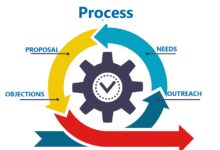
Understanding the Fundamentals of B2B Sales

B2B sales, or business-to-business selling, is the process of one company selling products or services to another. Unlike B2C (business-to-consumer), where decisions are often emotional and quick, b2b sales involve longer sales cycles, multiple stakeholders, and data-driven decision-making. This makes the process more complex but also more rewarding when executed correctly.
What Sets B2B Sales Apart from B2C?
The core difference lies in the buyer. In b2b sales, you’re not selling to an individual consumer but to a team or organization with specific goals, budgets, and performance metrics. Decisions are rational, based on ROI, efficiency, and strategic alignment.
- B2B buyers require detailed information and proof of value.
- Sales cycles can last weeks or even months.
- Purchase decisions often involve procurement teams, technical evaluators, and C-level executives.
“In B2B, you’re not just selling a product—you’re selling a solution to a business problem.” — HubSpot
The Role of Value in B2B Sales
Value is the cornerstone of successful b2b sales. Customers aren’t buying features; they’re buying outcomes. Whether it’s reducing operational costs, improving productivity, or scaling infrastructure, your offering must clearly demonstrate measurable impact.
For example, a SaaS company selling project management software isn’t just offering task tracking—it’s promising faster project delivery, better team collaboration, and reduced overhead. This shift from product-centric to value-centric messaging is critical.
The B2B Sales Process: A Step-by-Step Breakdown
A structured b2b sales process ensures consistency, improves forecasting, and increases conversion rates. While models vary, most follow a similar sequence of stages, each requiring specific skills and tools.
1. Prospecting and Lead Generation
This is the foundation of any b2b sales strategy. Prospecting involves identifying potential customers who fit your ideal customer profile (ICP). Methods include:
- LinkedIn outreach and social selling
- Email campaigns targeting decision-makers
- Content marketing and SEO to attract inbound leads
- Attending industry events and trade shows
Tools like LinkedIn Sales Navigator and HubSpot CRM help streamline this process by providing data and automation.
2. Qualifying Leads
Not all leads are worth pursuing. Qualifying ensures you focus time and resources on prospects with the highest potential. The BANT framework (Budget, Authority, Need, Timeline) is widely used:
- Budget: Does the prospect have the financial capacity?
- Authority: Are you speaking to the decision-maker?
- Need: Is there a genuine problem your solution can solve?
- Timeline: When do they plan to make a decision?
Modern approaches like MEDDIC (Metrics, Economic Buyer, Decision Criteria, Decision Process, Identify Pain, Champion) offer even deeper qualification for complex sales.
3. Needs Assessment and Discovery
This stage is where trust begins to build. Instead of pitching, top b2b sales professionals ask open-ended questions to understand the prospect’s challenges, goals, and current solutions.
Effective discovery questions include:
- “What are your biggest operational bottlenecks?”
- “How do you currently measure success in this area?”
- “What would change if this problem were solved?”
The goal is to uncover pain points that your solution can directly address.
4. Presentation and Solution Proposal
Now it’s time to present your offering—but not as a generic demo. Tailor the presentation to the specific needs uncovered during discovery. Use case studies, ROI calculators, and live product walkthroughs to show tangible value.
A well-crafted proposal should include:
- Executive summary of the problem and solution
- Customized pricing and implementation plan
- Success metrics and KPIs
- Testimonials or client references
5. Handling Objections
Objections are not rejections—they’re requests for more information. Common objections in b2b sales include price, timing, and perceived risk.
Effective responses involve:
- Active listening to understand the root concern
- Reframing the objection (e.g., “I understand the price seems high, but let’s look at the long-term savings”)
- Providing evidence (case studies, benchmarks, guarantees)
6. Closing the Deal
Closing isn’t about pressure—it’s about alignment. When the prospect sees clear value and trust in your ability to deliver, closing becomes a natural next step.
Techniques include:
- The assumptive close: “Shall we get started on implementation next week?”
- The alternative close: “Would you prefer the annual or monthly plan?”
- The summary close: Recap benefits and ask for commitment.
7. Post-Sale Follow-Up and Account Management
The sale is just the beginning. Onboarding, training, and regular check-ins ensure customer success and open doors for upselling and referrals.
According to Forbes, acquiring a new customer can cost five times more than retaining an existing one. That’s why post-sale engagement is critical in b2b sales.
Key B2B Sales Models and Methodologies
Over the years, several sales methodologies have emerged to guide b2b sales teams. Each offers a unique framework for engaging prospects and closing deals.
Consultative Selling
This approach positions the salesperson as an advisor rather than a vendor. The focus is on diagnosing the customer’s needs and prescribing the right solution.
Key principles include:
- Asking insightful questions
- Listening more than talking
- Providing tailored recommendations
It’s especially effective in complex sales where the buyer needs guidance.
Challenger Sale
Popularized by CEB (now Gartner), the Challenger model teaches sales reps to “teach, tailor, and take control.” Instead of agreeing with the customer, they challenge assumptions and offer new insights.
For example, a rep might say: “Most companies in your industry focus on cost-cutting, but the real opportunity is in revenue acceleration through automation.”
This approach works well when the customer doesn’t fully understand their problem.
Solution Selling
Solution selling focuses on identifying a specific pain point and positioning your product as the answer. It’s highly structured and often used in enterprise software and services.
The process involves:
- Identifying latent needs
- Quantifying the cost of inaction
- Presenting a customized solution
While effective, it can feel pushy if not executed with empathy.
Value Selling
This model emphasizes the economic value your solution delivers. Reps use tools like ROI calculators and business cases to justify the investment.
For instance, a cybersecurity firm might show how their solution reduces breach risk by 70%, saving millions in potential losses.
Value selling aligns closely with CFO and executive priorities, making it powerful in high-stakes b2b sales.
The Role of Technology in Modern B2B Sales
Technology has transformed b2b sales from a relationship-based craft to a data-driven science. Today’s top-performing teams leverage a suite of tools to enhance efficiency and effectiveness.
CRM Systems: The Backbone of B2B Sales
Customer Relationship Management (CRM) platforms like Salesforce and Zoho CRM centralize customer data, track interactions, and automate workflows.
Key benefits include:
- Improved lead tracking and pipeline visibility
- Automated follow-ups and reminders
- Integration with email, calendar, and marketing tools
A well-maintained CRM can increase sales productivity by up to 34%, according to Nucleus Research.
Sales Engagement Platforms
Tools like Outreach and SalesLoft enable personalized, multi-channel outreach at scale.
They allow reps to:
- Send sequenced emails, calls, and LinkedIn messages
- Track prospect engagement (opens, clicks, replies)
- Use AI to optimize send times and content
These platforms help maintain consistency while preserving a human touch.
AI and Predictive Analytics in B2B Sales
Artificial intelligence is no longer science fiction—it’s a sales enabler. AI tools can:
- Predict which leads are most likely to convert
- Suggest the best next action for a rep
- Analyze call transcripts to improve coaching
- Automate data entry and note-taking
For example, Gong records and analyzes sales calls to provide insights on deal health and rep performance.
Building a High-Performance B2B Sales Team
Even the best tools and strategies fail without the right team. Building a winning b2b sales team requires a blend of hiring, training, and culture.
Hiring the Right Talent
Look beyond experience. Top b2b sales performers often share traits like curiosity, resilience, and emotional intelligence.
Assess candidates using:
- Role-playing exercises
- Case studies based on real scenarios
- Behavioral interviews focusing on problem-solving
A study by Harvard Business Review found that empathetic salespeople close more deals and build stronger relationships.
Training and Onboarding
New hires need more than product knowledge. Effective onboarding includes:
- Sales methodology training (e.g., Challenger, SPIN)
- CRM and tech stack immersion
- Shadowing top performers
- Regular feedback and coaching
Companies with structured onboarding see 50% higher productivity in the first year, per Cornerstone OnDemand.
Performance Metrics and KPIs
What gets measured gets managed. Key b2b sales KPIs include:
- Conversion rate by stage
- Average deal size
- Sales cycle length
- Customer acquisition cost (CAC)
- Customer lifetime value (CLTV)
Regularly reviewing these metrics helps identify bottlenecks and optimize performance.
Content and Marketing in B2B Sales Enablement
Sales doesn’t operate in a vacuum. Marketing and content play a crucial role in supporting b2b sales efforts.
The Power of Sales Enablement Content
Sales enablement content equips reps with the tools they need to engage prospects effectively. This includes:
- Case studies and success stories
- Product one-pagers and battle cards
- ROI calculators and pricing guides
- Competitive comparison sheets
According to Salesforce, 79% of high-performing sales teams use sales enablement tools.
Aligning Sales and Marketing (Smarketing)
When sales and marketing are misaligned, leads go cold and messaging gets inconsistent. Smarketing—sales and marketing alignment—ensures both teams share goals, language, and processes.
Best practices include:
- Joint planning sessions
- Shared KPIs (e.g., lead-to-customer conversion rate)
- Regular feedback loops
- Using the same customer personas
Aligned teams see 36% higher customer retention and 38% higher sales win rates, per MarketingProfs.
Leveraging Thought Leadership
In b2b sales, credibility is currency. Executives and decision-makers are more likely to engage with companies that demonstrate industry expertise.
Thought leadership content—such as whitepapers, webinars, and LinkedIn articles—positions your brand as a trusted advisor.
For example, a fintech company might publish a report on “The Future of Corporate Treasury Management,” attracting CFOs and finance leaders.
Future Trends Shaping B2B Sales
The b2b sales landscape is evolving rapidly. Staying ahead requires anticipating and adapting to emerging trends.
The Rise of Buyer-Led Sales
Today’s buyers are more informed than ever. They complete 60-70% of their journey before speaking to a sales rep, according to Gartner.
This means sales teams must focus on adding value during the late stages of the journey, not just pushing a product.
Virtual Selling and Remote Engagement
The pandemic accelerated the shift to virtual selling. Video calls, digital demos, and online negotiations are now standard.
Tools like ZoomInfo and Veeva help reps engage prospects remotely with personalized content.
Account-Based Selling (ABS)
ABS takes account-based marketing (ABM) principles and applies them to sales. Instead of casting a wide net, teams focus on high-value accounts with tailored strategies.
Steps include:
- Identifying target accounts
- Researching key stakeholders
- Creating personalized outreach campaigns
- Coordinating sales and marketing efforts
ABS can increase deal size by 171% and reduce sales cycles by 1.8 months, per ABM Leadership.
Common B2B Sales Challenges and How to Overcome Them
Even experienced teams face obstacles. Recognizing and addressing these challenges is key to sustained success.
Long Sales Cycles
B2B sales often involve multiple approvals and budget cycles. To shorten timelines:
- Identify the economic buyer early
- Use urgency without being pushy (e.g., limited-time pilot)
- Provide clear next steps and timelines
Competition and Price Pressure
When competitors offer similar solutions, price becomes a battleground. To differentiate:
- Emphasize unique value, not just features
- Highlight customer success stories
- Offer flexible pricing or pilots
Stakeholder Alignment
In complex deals, getting all stakeholders on the same page is tough. Strategies include:
- Mapping the decision-making unit
- Building champions within the organization
- Hosting joint discovery sessions
What is the average length of a B2B sales cycle?
The average B2B sales cycle ranges from 1 to 6 months, depending on the industry and deal complexity. For enterprise software, it can extend to 12 months or more. According to Salesforce, the median sales cycle length is 29 days, but this varies widely.
How can I improve my B2B sales conversion rate?
Focus on lead quality, improve discovery calls, tailor your messaging, and use data to refine your approach. Implementing a CRM and sales engagement platform can boost conversion rates by up to 300%, as reported by Nucleus Research.
What are the best tools for B2B sales prospecting?
Top tools include LinkedIn Sales Navigator, ZoomInfo, Hunter.io, Clearbit, and Apollo.io. These platforms provide contact data, intent signals, and outreach automation to streamline prospecting.
Is cold calling still effective in B2B sales?
Yes, but only when done strategically. Personalized, research-backed cold calls have a 20-30% higher response rate than generic ones. Combine cold calling with email and social outreach for better results.
How important is relationship-building in B2B sales?
Extremely. According to Forbes, 89% of B2B buyers say trust is the most important factor in choosing a vendor. Strong relationships lead to repeat business, referrals, and higher customer lifetime value.
Mastering b2b sales is no longer optional—it’s a competitive necessity. From understanding the buyer’s journey to leveraging cutting-edge technology, success lies in a strategic, value-driven approach. By adopting proven methodologies, aligning sales and marketing, and focusing on long-term relationships, businesses can not only survive but thrive in today’s complex marketplace. The future of b2b sales belongs to those who adapt, innovate, and prioritize the customer at every step.
Further Reading:
