In today’s hyper-connected digital economy, a b2b marketplace isn’t just a trend—it’s a transformation. Businesses no longer rely solely on traditional sales channels. Instead, they’re turning to online platforms where suppliers meet buyers at scale, efficiency, and speed. Welcome to the era of the modern B2B marketplace.
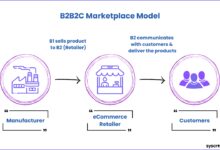
What Exactly Is a B2B Marketplace?

The term b2b marketplace refers to a digital platform where businesses buy and sell goods and services to one another. Unlike B2C (business-to-consumer) models, B2B transactions involve longer sales cycles, complex decision-making units, and often higher order values. These marketplaces streamline procurement, reduce friction in supply chains, and open doors to global trade.
Defining the Core Concept
A b2b marketplace functions as a centralized hub—either industry-specific or generalist—where multiple vendors list their products or services, and corporate buyers can compare, negotiate, and purchase. Think of it as Amazon or Alibaba, but tailored for business clients with bulk orders, customized pricing, and contract-based relationships.
- Transactions are typically high-volume and recurring.
- Decision-making involves multiple stakeholders (e.g., procurement, finance, operations).
- Pricing is often dynamic, negotiated, or tiered based on volume.
“The global B2B e-commerce market is projected to reach $20.9 trillion by 2027, with marketplaces driving much of this growth.” — Statista, 2023
How It Differs from B2C Marketplaces
While B2C platforms like Amazon or eBay focus on impulse buys and individual consumers, a b2b marketplace caters to structured, logic-driven purchasing. Key differences include:
- Customer Relationship: Long-term contracts and account management are standard in B2B.
- Pricing Models: B2B uses quotes, volume discounts, and subscription tiers; B2C relies on fixed retail prices.
- Order Complexity: B2B orders often include custom SKUs, invoicing, PO numbers, and integration with ERP systems.
- Logistics: Freight, bulk shipping, and just-in-time delivery are common in B2B, unlike standard parcel delivery in B2C.
Types of B2B Marketplaces
Not all b2b marketplace platforms are created equal. They vary by scope, ownership, and specialization:
- Vertical Marketplaces: Focused on a single industry (e.g., healthcare, construction, or agriculture). Example: TradeKey for industrial goods.
- Horizontal Marketplaces: Serve multiple industries with general products like office supplies or raw materials. Example: Alibaba.
- Private Marketplaces: Owned by a single company for its suppliers and partners (e.g., Siemens’ Teamcenter).
- Open Marketplaces: Allow any verified business to join and sell (e.g., Amazon Business).
Why B2B Marketplaces Are Revolutionizing Global Trade
The rise of the b2b marketplace is not accidental. It’s a response to digital transformation, globalization, and the demand for operational efficiency. Companies are no longer confined by geography or legacy procurement systems. Instead, they leverage marketplaces to access new suppliers, reduce costs, and accelerate time-to-market.
Breaking Down Geographical Barriers
One of the most powerful advantages of a b2b marketplace is its ability to connect businesses across continents. A manufacturer in Germany can source components from a supplier in Vietnam without ever meeting in person. This global reach democratizes access to markets and fosters competition.
- Small and medium enterprises (SMEs) gain exposure to international buyers.
- Buyers can compare global pricing and quality standards.
- Real-time communication tools (like chat and video calls) bridge cultural and time-zone gaps.
Reducing Transaction Costs and Friction
Traditional B2B procurement involves RFQs (Request for Quotation), phone calls, emails, and manual order processing. A b2b marketplace automates much of this workflow, cutting administrative overhead and human error.
- Digital catalogs replace printed brochures and PDFs.
- Automated invoicing and payment gateways streamline settlements.
- Integrated logistics partners offer transparent shipping tracking.
“Companies using digital procurement platforms report up to 30% reduction in operational costs.” — McKinsey & Company
Enhancing Supply Chain Resilience
The pandemic exposed vulnerabilities in linear supply chains. A b2b marketplace introduces redundancy and agility by offering multiple suppliers for the same product. If one vendor faces disruption, buyers can instantly pivot to alternatives.
- Diversified sourcing reduces dependency on single suppliers.
- Real-time inventory updates prevent stockouts.
- AI-driven demand forecasting helps manage supply volatility.
Top 7 B2B Marketplaces Shaping the Industry
Not all platforms are equal in reach, functionality, or specialization. Here are seven of the most influential b2b marketplace platforms driving change across sectors.
1. Alibaba.com
As the world’s largest b2b marketplace, Alibaba connects millions of suppliers, primarily from China, with buyers globally. It dominates in manufacturing, electronics, and raw materials.
- Offers Trade Assurance for secure transactions.
- Supports MOQs (Minimum Order Quantities) and custom manufacturing.
- Integrated logistics via Cainiao Network.
Learn more at Alibaba.com.
2. Amazon Business
Leveraging its e-commerce dominance, Amazon launched Amazon Business to serve enterprise clients. It’s ideal for MRO (Maintenance, Repair, and Operations) supplies, lab equipment, and office products.
- Volume pricing and tax-exempt purchasing.
- Integration with procurement software like SAP Ariba.
- Fast delivery through Amazon’s logistics network.
Explore at Amazon Business.
3. Thomasnet
A leading North American b2b marketplace for industrial sourcing, Thomasnet specializes in engineering, manufacturing, and custom fabrication services.
- Powerful search filters by material, process, and certification.
- Supplier vetting and capability verification.
- Free RFQ submission tool for buyers.
Visit Thomasnet for industrial sourcing.
4. Global Sources
Based in Hong Kong, Global Sources is a trusted b2b marketplace for electronics, consumer goods, and OEM/ODM suppliers. It combines online listings with physical trade shows.
- Verified supplier program with on-site audits.
- Dedicated sourcing agents for large buyers.
- Product trends and market intelligence reports.
Check out Global Sources.
5. Kompass
Kompass operates as a global B2B directory and marketplace, helping businesses find suppliers by industry, country, and product category.
- Extensive database of over 60 million companies.
- Advanced filtering by ISO certification, export regions, and company size.
- Lead generation tools for suppliers.
Discover suppliers at Kompass.
6. EC21
One of the oldest global b2b marketplace platforms, EC21 connects buyers and sellers across 100+ countries with a focus on wholesale and export trade.
- Free membership with paid premium features.
- Multi-language support for global reach.
- Supplier verification and trade leads.
Join EC21 for international trade.
7. Faire
Originally B2C-focused, Faire has expanded into B2B by connecting independent brands with retail stores. It’s a hybrid model ideal for fashion, home goods, and lifestyle products.
- Net 60 payment terms for retailers.
- Free returns and curated brand discovery.
- Data-driven recommendations based on store performance.
Explore Faire for retail partnerships.
How to Choose the Right B2B Marketplace for Your Business
Selecting the right b2b marketplace isn’t just about traffic or visibility—it’s about strategic alignment. The wrong platform can waste resources, while the right one can unlock exponential growth.
Assess Your Industry and Product Fit
Not every marketplace supports every product category. Before joining, evaluate whether the platform specializes in your industry.
- Manufacturers of industrial machinery should prioritize Thomasnet or Kompass.
- Consumer goods brands may benefit more from Faire or Amazon Business.
- Raw material suppliers find better traction on Alibaba or Global Sources.
Evaluate Buyer Quality and Volume
High traffic doesn’t always mean high-quality leads. Investigate the type of buyers active on the platform.
- Are they SMEs, distributors, or enterprise buyers?
- What’s the average order value (AOV)?
- Is there a vetting process for buyers?
Platforms like Alibaba offer massive reach but require careful buyer screening. In contrast, Amazon Business attracts verified business accounts with higher purchase intent.
Analyze Fees and Commission Structures
Most b2b marketplace platforms charge fees—either as a subscription, commission per sale, or listing cost. Understand the financial model before committing.
- Amazon Business charges referral fees (6–15%) and optional subscription plans.
- Thomasnet offers free listings but charges for premium visibility.
- Alibaba uses a gold supplier membership model (annual fee) for enhanced features.
Calculate your break-even point and ROI before investing.
Strategies for Success on a B2B Marketplace
Simply listing your products on a b2b marketplace isn’t enough. To stand out in a crowded digital space, you need a deliberate strategy focused on visibility, trust, and conversion.
Optimize Your Product Listings for Search
Like SEO for websites, marketplace SEO matters. Buyers use search filters to find suppliers—so your listings must be discoverable.
- Use precise product titles with keywords (e.g., “Stainless Steel Flange ANSI B16.5”).
- Include detailed specifications: dimensions, materials, certifications.
- Add high-resolution images and technical drawings.
- Write clear, benefit-driven descriptions (not just features).
Build Trust Through Verification and Reviews
In B2B, trust is currency. Buyers are risk-averse and prefer suppliers with proven track records.
- Complete your profile with company history, certifications (ISO, CE), and production capacity.
- Encourage satisfied clients to leave reviews.
- Use platform-verified badges (e.g., Alibaba’s Gold Supplier, Amazon’s Business Prime).
- Offer samples or virtual factory tours to build credibility.
Leverage Data and Analytics
Top-performing sellers on a b2b marketplace don’t guess—they analyze. Use built-in analytics to refine your approach.
- Track which products get the most views and inquiries.
- Monitor conversion rates from inquiry to order.
- Adjust pricing or promotions based on demand trends.
- Identify peak buying times and target outreach accordingly.
“Sellers who actively use marketplace analytics see 2.5x higher conversion rates.” — Marketplace Pulse, 2023
The Role of Technology in Modern B2B Marketplaces
Behind every successful b2b marketplace is a robust tech stack. From AI to blockchain, technology is reshaping how businesses interact, transact, and build relationships online.
Artificial Intelligence and Personalization
AI powers recommendation engines, chatbots, and dynamic pricing. Platforms like Amazon Business use machine learning to suggest relevant products based on a buyer’s history.
- AI-driven RFQ matching connects buyers with the best-fit suppliers.
- Chatbots handle initial inquiries 24/7, improving response times.
- Personalized dashboards show trending products and reorder alerts.
Integration with ERP and Procurement Systems
Seamless integration is critical for enterprise buyers. Leading b2b marketplace platforms offer APIs to connect with ERP systems like SAP, Oracle, and NetSuite.
- Automated PO creation and invoice reconciliation.
- Real-time inventory sync between supplier and buyer systems.
- Approval workflows for decentralized purchasing teams.
For example, SAP Ariba Network integrates with multiple marketplaces, enabling single-point procurement.
Blockchain for Transparency and Security
As B2B transactions grow in complexity, blockchain offers a tamper-proof ledger for contracts, payments, and logistics tracking.
- Smart contracts automate payment upon delivery confirmation.
- Provenance tracking ensures authenticity of high-value goods.
- Reduced fraud and disputes through immutable records.
While still emerging, companies like IBM and Maersk are piloting blockchain in supply chain marketplaces.
Challenges and Risks in B2B Marketplaces
Despite their advantages, b2b marketplace platforms come with challenges. Understanding these risks helps businesses navigate them effectively.
Competition and Price Pressure
Marketplaces increase visibility but also intensify competition. With multiple suppliers offering similar products, price becomes a key differentiator—sometimes to the detriment of margins.
- Buyers can easily compare prices, leading to race-to-the-bottom dynamics.
- Smaller suppliers may struggle to compete with large manufacturers.
- Solution: Differentiate through service, customization, or bundling.
Data Ownership and Dependency
When you sell on a third-party b2b marketplace, you’re subject to its rules and algorithms. There’s a risk of losing direct customer relationships and data control.
- The platform owns buyer data, limiting your ability to retarget.
- Algorithm changes can reduce your visibility overnight.
- Solution: Use marketplaces for lead generation, but build your own channel for long-term retention.
Fraud and Trust Issues
While most platforms vet users, fraud still occurs. Fake suppliers, non-delivery, and payment scams are real concerns.
- Always use escrow services for large transactions.
- Verify supplier credentials independently.
- Check reviews and transaction history before committing.
Platforms like Alibaba offer Trade Assurance to protect buyers—use them.
Future Trends in B2B Marketplaces
The b2b marketplace landscape is evolving rapidly. New technologies, changing buyer behaviors, and global economic shifts are shaping what’s next.
Rise of Niche and Vertical-Specific Platforms
Generalist marketplaces are facing competition from specialized platforms that offer deeper industry knowledge and tailored services.
- Healthcare: Platforms like MedWOW for medical equipment.
- Agriculture: AgriDigital for grain trading.
- Construction: BuildSupply for building materials.
These niche players offer better matching, compliance support, and industry-specific workflows.
Subscription and Membership Models
Instead of transaction-based fees, many b2b marketplace platforms are shifting to subscription models for predictable revenue.
- Buyers pay annual fees for access to premium suppliers.
- Sellers subscribe for enhanced visibility and analytics.
- Membership builds loyalty and reduces churn.
Sustainability and Ethical Sourcing
Corporate buyers are increasingly demanding transparency in sourcing. Future b2b marketplace platforms will integrate ESG (Environmental, Social, Governance) metrics.
- Carbon footprint tracking for shipped goods.
- Supplier sustainability certifications (e.g., Fair Trade, B Corp).
- Blockchain-enabled provenance for raw materials.
Platforms that enable ethical sourcing will gain competitive advantage.
What is a b2b marketplace?
A b2b marketplace is an online platform where businesses buy and sell products or services to each other. It streamlines procurement, enables global sourcing, and supports complex B2B transactions with features like bulk pricing, PO integration, and contract management.
How do b2b marketplaces make money?
B2B marketplaces generate revenue through various models: charging sellers commission per transaction, subscription fees for premium listings, advertising fees, or charging buyers for access to premium suppliers. Some platforms use a hybrid approach.
Are b2b marketplaces safe for transactions?
Most reputable b2b marketplaces implement security measures like supplier verification, escrow services, and fraud detection. However, buyers and sellers should still conduct due diligence, use secure payment methods, and leverage platform protection programs like Alibaba’s Trade Assurance.
Can small businesses succeed on a b2b marketplace?
Absolutely. B2B marketplaces level the playing field by giving SMEs access to global buyers. Success requires optimizing listings, building trust through reviews, and providing excellent customer service. Many small suppliers grow into major exporters via platforms like Alibaba or Faire.
What’s the difference between B2B and B2C marketplaces?
B2B marketplaces focus on business clients with complex needs—bulk orders, custom pricing, and integration with enterprise systems. B2C marketplaces cater to individual consumers with simpler, instant-purchase behaviors. B2B sales cycles are longer and involve multiple decision-makers.
The b2b marketplace is no longer a futuristic concept—it’s the new normal of global commerce. From Alibaba to Amazon Business, these platforms are redefining how companies source, sell, and scale. While challenges like competition and data dependency exist, the benefits of efficiency, reach, and innovation far outweigh the risks. By choosing the right platform, optimizing listings, leveraging technology, and staying ahead of trends, businesses can harness the full power of the B2B marketplace revolution. The future belongs to those who adapt, integrate, and dominate.
Further Reading:
